
Winter Heating Preparation Guide: What To Check Before The Cold Weather Arrives
Preparing your heating for winter is best done before you need it every day. A sensible winter preparation guide should cover more than simply switching the boiler on. It means checking that your boiler or appliance is operating normally, testing radiators and controls, looking for early signs of faults, arranging servicing where needed and dealing with problems before colder weather puts the system under greater demand.
For homes, this can help prevent an uncomfortable surprise when temperatures fall. For businesses, schools, offices, warehouses and other commercial premises, early preparation can also reduce the risk of problems disrupting day-to-day operations.
The Short Version: Your Pre-Winter Checklist
Before winter sets in:
- Run your heating before the first prolonged cold spell.
- Check whether your boiler or appliance is due for servicing.
- Make sure radiators heat properly and consistently.
- Test your thermostat, programmer and other controls.
- Look and listen for anything unusual when the system operates.
- Check accessible pipework and components for obvious leaks or deterioration.
- If you use heating oil, inspect the condition of your oil tank and monitor your fuel level.
- Deal with recurring faults rather than hoping they disappear.
- For commercial premises, review servicing, maintenance and safety documentation before demand increases.
- Use an appropriately registered professional where servicing, repairs or safety-related work is required.
Energy Saving Trust specifically recommends checking your boiler and heating before colder weather arrives and considering a boiler service if it has not already been serviced during the year.
Why Preparing Early Matters
Heating systems often spend the warmer months working much less than they do in winter. Problems can therefore remain unnoticed until the first sustained period of cold weather.
Testing the system early gives you time to identify issues while heating is still a convenience rather than an urgent necessity. That might be a radiator that stays cold, a control that no longer responds correctly, unusual boiler behaviour or an oil tank issue that needs investigating.
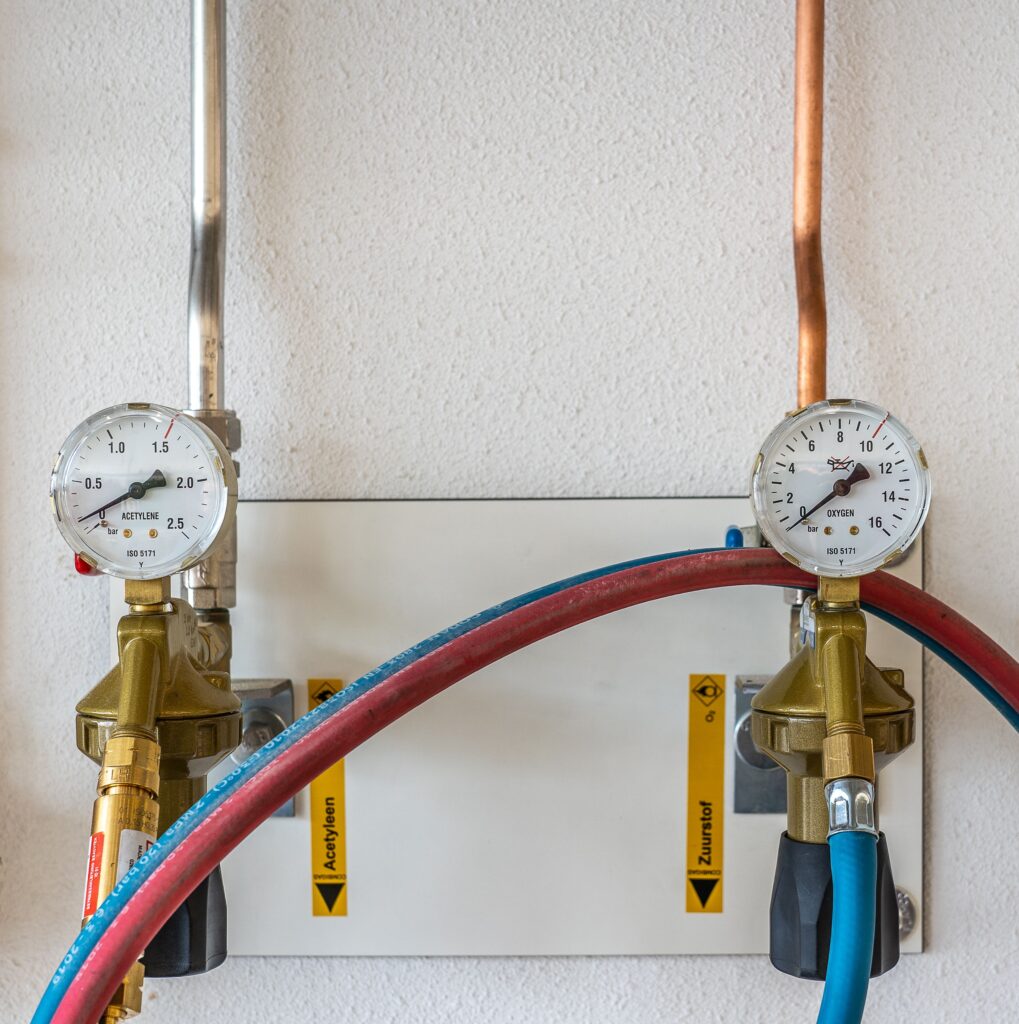
1. Switch Your Heating On Before You Really Need It
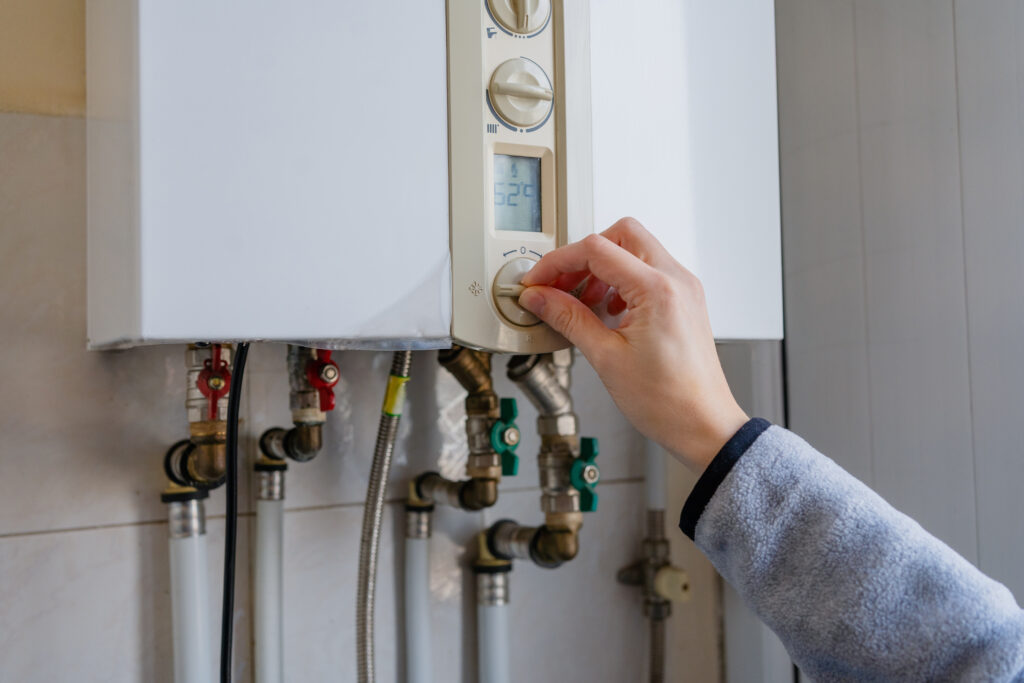
One of the easiest winter preparation steps is also one of the most useful: run the heating before temperatures drop significantly.
Do not wait for the first freezing morning to discover whether the system works.
Turn the heating on and allow it enough time to operate normally. Pay attention to how the system behaves rather than simply checking whether the boiler fires up.
If something appears wrong, it is usually more useful to have it investigated before the system is being relied upon continuously.
2. Check Whether Your Boiler Needs Servicing
Routine servicing is one of the most important parts of preparation.
Energy Saving Trust advises keeping boilers serviced and recommends considering a service before winter if one has not already been completed that year.
A professional service is different from simply switching the boiler on yourself. A heating engineer can assess the appliance and relevant components in much greater detail.
Westex Heating carries out domestic boiler servicing and repairs alongside servicing and maintenance of commercial equipment.
For gas appliances, use a suitably qualified Gas Safe registered engineer. For oil-fired systems, an OFTEC registered technician should be used for relevant work. OFTEC’s current consumer advice similarly recommends professional servicing rather than leaving the system unchecked before winter.
Do Not Treat A Service As A Breakdown Appointment
There is an important distinction between preventative servicing and calling an engineer after the heating has stopped working.
Servicing gives an engineer an opportunity to inspect the appliance while it is operating, rather than waiting for a fault to become disruptive.
If your boiler is already displaying a fault, repeatedly losing pressure, leaking, shutting down or behaving abnormally, tell the engineer when arranging the visit. That information helps distinguish routine maintenance from a repair or diagnostic requirement.
3. Check Every Radiator, Not Just The One Nearest The Boiler
A boiler can appear to be working correctly while heat distribution around the property is less effective than it should be.
Run the heating and check radiators individually.
Are they heating across their surface? Are some rooms noticeably colder? Does one radiator remain cold while the others warm normally?
Cold areas can have several possible causes, so avoid assuming that every radiator problem has the same solution.
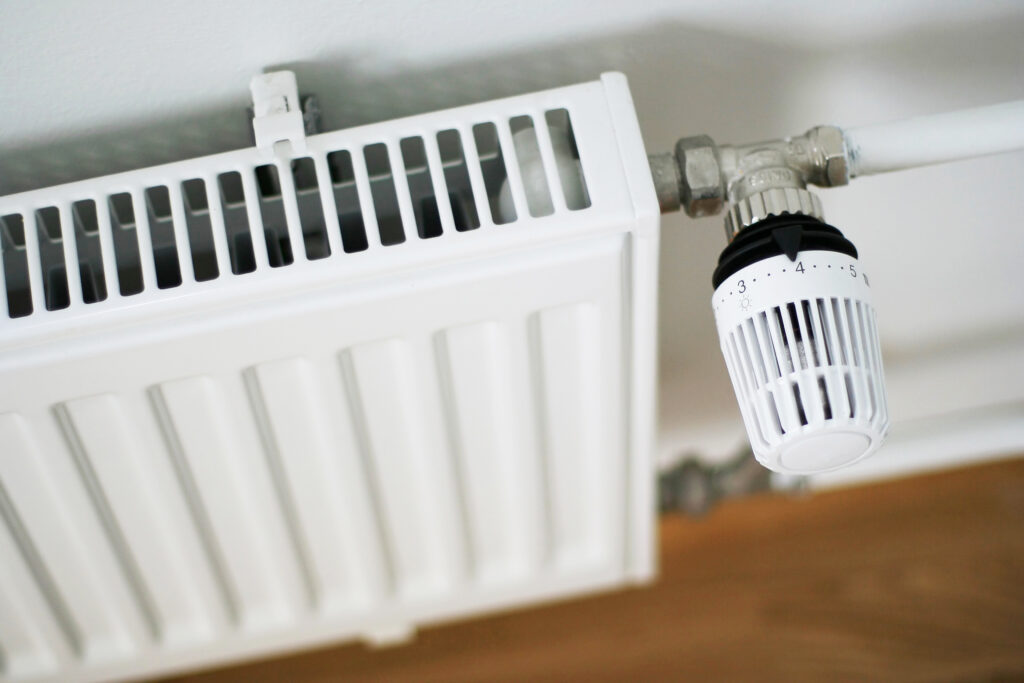
Energy Saving Trust notes that bleeding a radiator can be a simple step where trapped air is preventing it from heating properly. However, persistent cold spots, leaks, corrosion or repeated problems may point to something that needs further investigation.
If an ageing or damaged radiator is no longer performing properly, a professional assessment can establish whether maintenance or radiator replacement is more appropriate.
When Should You Be More Cautious About A Radiator Problem?
Do not ignore visible leaking or significant corrosion.
Likewise, if you repeatedly bleed a radiator only for the same problem to return, the underlying cause may need to be identified rather than continuing to treat the symptom.
The same applies when several radiators behave differently. That can indicate a wider circulation, balancing or control issue that deserves proper investigation.
4. Test Your Thermostat And Controls
A system cannot operate efficiently if the controls are not doing what you expect.
Make sure the timings still match when the property is occupied. A schedule that suited spring or summer may not make sense once mornings and evenings become colder.
Energy Saving Trust advises using programmers, room thermostats and thermostatic radiator valves to control when and where heat is needed. It notes that, for most people, the lowest comfortable room thermostat setting is generally within 18°C to 21°C, although individual needs differ.
Could Better Controls Help An Older Systems?
You do not necessarily need a brand-new boiler simply to benefit from more effective controls. Compatibility depends on the existing system and how it is configured.
If you are considering an upgrade, read Westex Heating’s guide to whether smart thermostats are worthwhile for older systems or explore its information on smart heating control.
An engineer can assess compatibility before you buy equipment that may not suit the existing setup.
5. Pay Attention To Changes In How Your Heating Behaves
Heating problems do not always begin with a complete breakdown.
Changes in normal behaviour can be useful warning signs.
None of these symptoms proves a particular fault on its own. Avoid trying to diagnose gas, oil or electrical problems from a symptom list online.
Instead, treat repeated or unexplained changes as a reason to seek appropriate professional advice.
6. If You Heat With Oil, Include The Tank In Your Winter Checks
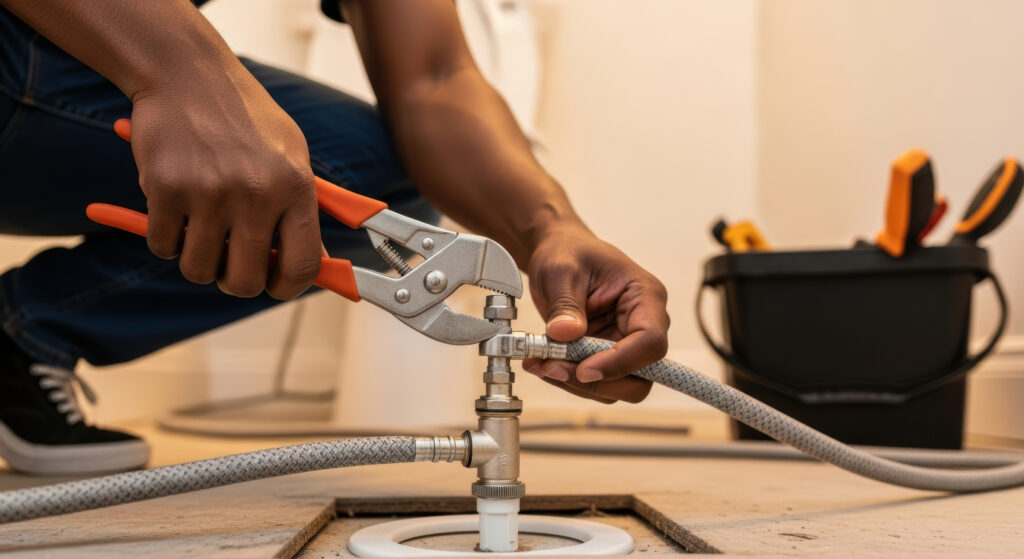
For oil-heated properties, winter preparation should not stop at the boiler.
Your fuel storage tank and supply form part of the wider setup. OFTEC advises householders to have oil tanks checked regularly and says the tank should be included as part of appropriate servicing and maintenance.
Before winter, visually check accessible areas for anything obviously unusual and keep an eye on your fuel level.
Do not attempt repairs to an oil storage system unless you are competent and appropriately qualified to do so.
Westex Heating provides information on domestic oil tank installation and servicing for properties using oil.
7. Think About The System As A Whole
It is easy to focus entirely on the boiler because it is the most obvious part of many systems.
But good heating depends on several components working together.
If one part is not working as intended, overall performance can suffer even if the boiler itself appears operational.
For homeowners considering wider improvements, Westex Heating’s information on domestic heating systems explains the broader range of support available.
Winter Preparation Is Slightly Different For Commercial Systems
Commercial preparation usually needs more planning than simply testing whether the building feels warm.
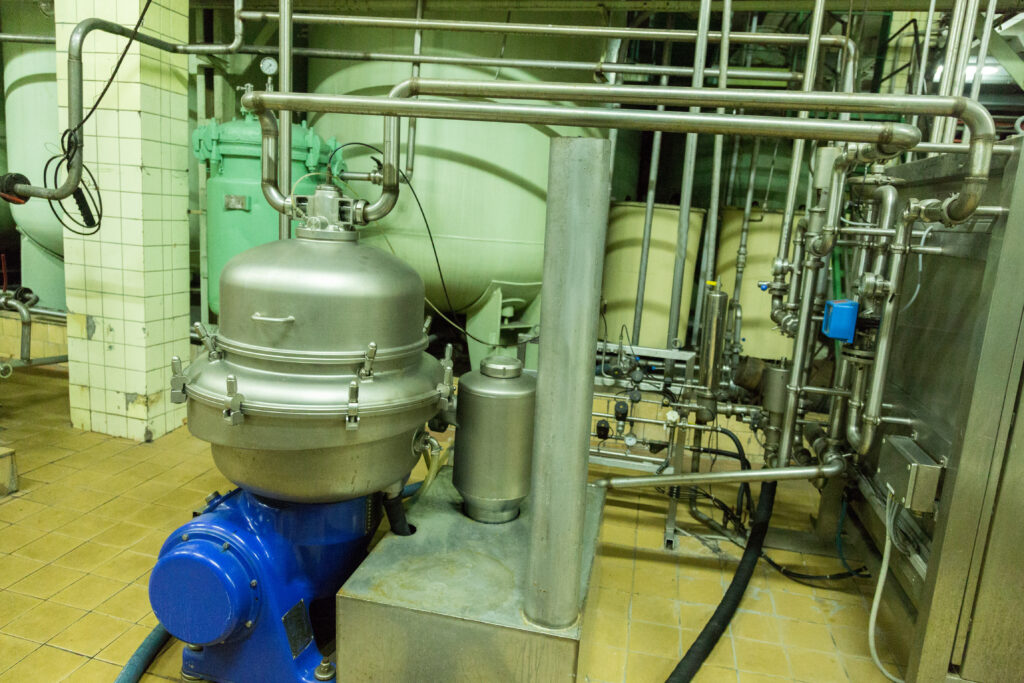
Schools, universities, offices, warehouses, workshops and production facilities may rely on larger boilers, warm air heaters, multiple appliances or more complicated arrangements.
Westex Heating works with commercial boilers, warm air heating and gas, LPG, oil and electric systems, as well as commercial plumbing. The company has also confirmed that customer requirements are assessed and that risk assessments and method statements are produced according to individual project requirements.
Westex Heating’s commercial heating services and commercial boilers and water heaters pages provide further information for businesses responsible for these systems.
What Should You Leave To A Professional?
Homeowners and property managers can carry out useful observational checks, but there is an important boundary between checking that something works and opening, adjusting or repairing equipment.
Professional help is appropriate where:
- A boiler or appliance requires servicing
- A gas appliance is behaving abnormally
- There is a suspected gas-related safety issue
- A fault keeps returning
- Equipment requires dismantling or internal adjustment
- Combustion needs to be analysed
- An oil heating appliance or tank requires specialist attention
- Commercial equipment requires safety or compliance work
Westex Heating has confirmed that it is Gas Safe and OFTEC registered and also holds IPAF, PASMA and SSIP credentials. Its engineers use certified and calibrated specialist equipment, including combustion analysis equipment for relevant work.
You can review the company’s partners and accreditations for further information.
A Sensible Order For Preparing Your Heating For Winter
If you want a simple way to tackle the job, work through it in this order:
Run the heating. Do this before you depend on it every day.
Walk around the property. Check that radiators and heated areas respond as expected.
Test the controls. Review thermostats, timers, and schedules.
Note anything unusual. Record fault codes, noises or recurring symptoms rather than relying on memory.
Check your maintenance history. Establish when the system was last professionally serviced.
Check fuel storage if applicable. Oil-heated properties should include the tank and available fuel in their preparation.
Arrange professional attention for unresolved problems. Do not leave an obvious fault until colder weather.
Review the setup after maintenance. Make sure you understand how to use the controls effectively through winter.
This approach separates simple homeowner or facilities checks from work that genuinely requires a professional.
Prepare Early, Then Let Your Heating Do Its Job
The most useful winter preparation is usually straightforward: test the system before the cold weather, understand how your controls work, look for changes in performance and deal with maintenance or faults before your heating is under maximum demand.
You do not need to become a engineer to prepare well. Knowing what you can safely check yourself, and recognising when a problem needs professional attention, is enough to put you in a stronger position before winter.
If your boiler or system needs servicing, investigation or professional advice before the colder months, you can contact Westex Heating to discuss your requirements. The team works with domestic and commercial systems and can assess what is required before preparing an estimate.