
What Are The Most Common Gas Safety Failures Found During Commercial Inspections?
Commercial gas safety inspections are essential for identifying issues that could put building occupants, employees and businesses at risk. While many commercial heating systems operate safely for years, our engineers regularly encounter recurring faults that could lead to safety concerns, compliance issues, increased energy costs and unexpected breakdowns.
At Westex Heating, we carry out commercial gas safety inspections across Bath, Bristol, Swindon and Wiltshire, helping businesses maintain safe, compliant and efficient heating systems. Over the years, we’ve found that many failures are preventable through routine servicing, proper maintenance and timely repairs.
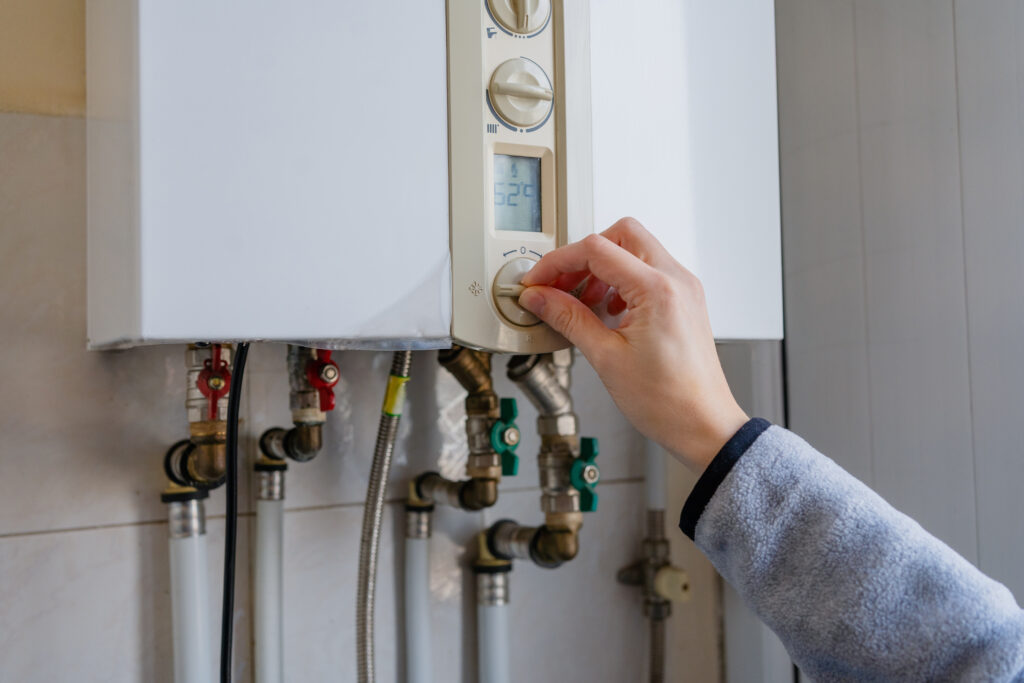
Why Commercial Gas Safety Inspections Matter
Commercial heating systems are often larger, more complex and subject to greater demand than domestic systems. A single fault can affect staff comfort, operational continuity and legal compliance.
Regular inspections help businesses:
- Meet gas safety obligations
- Identify faults before they become serious
- Improve heating efficiency
- Reduce the risk of costly breakdowns
- Protect staff, tenants and visitors
- Maintain insurance and compliance requirements
Whether you manage a school, office, warehouse or industrial facility, proactive inspections help ensure your heating systems remain safe and reliable.
1. Gas Leaks And Poorly Maintained Pipework
One of the most serious issues identified during commercial inspections is gas leakage.
Over time, pipework can deteriorate due to:
- Corrosion
- Mechanical damage
- Poor previous installation work
- Age-related wear
- Alterations to heating systems
Even minor gas leaks can present significant safety risks if left unresolved.
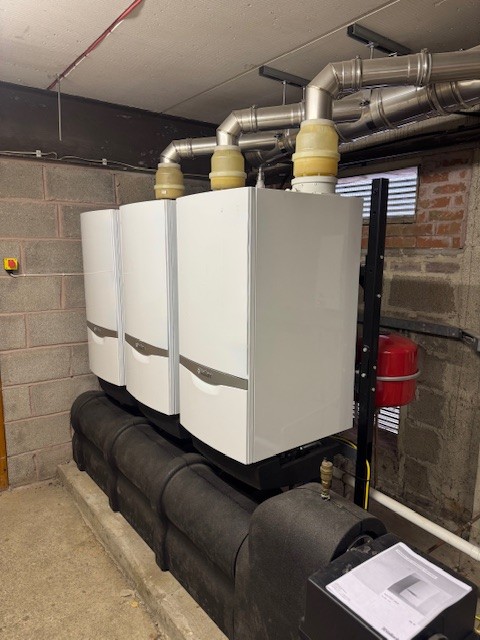
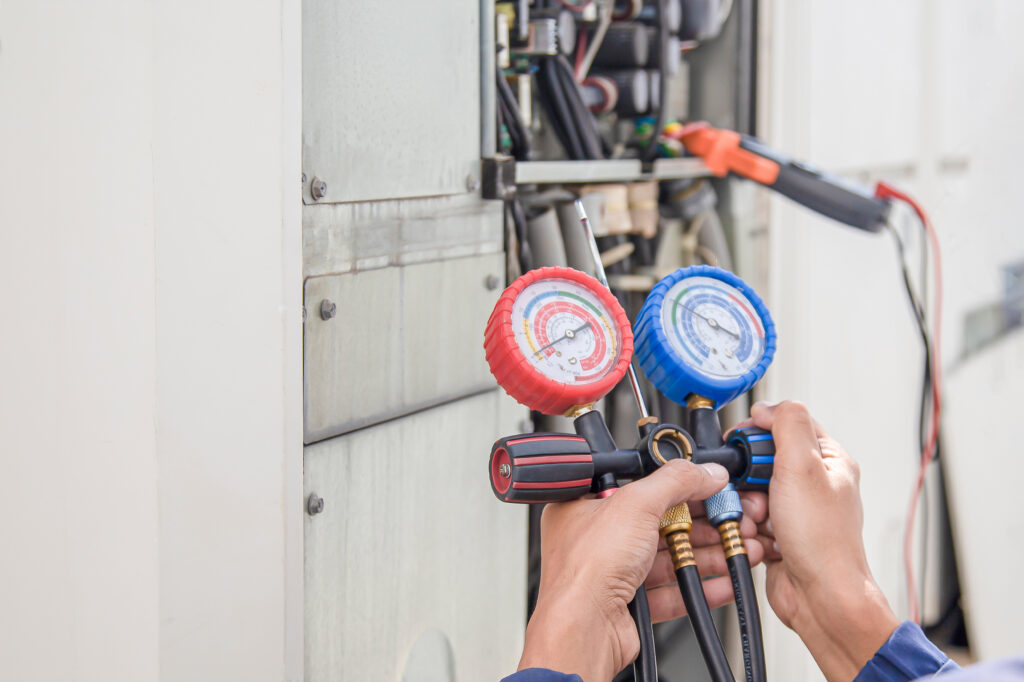
Our engineers carry out pressure testing and leak detection checks to identify issues before they become dangerous.
2. Inadequate Ventilation
Many commercial heating appliances rely on adequate airflow to operate safely.
Blocked or insufficient ventilation can result in:
- Incomplete combustion
- Reduced efficiency
- Increased carbon monoxide risks
- Appliance performance issues
In commercial environments, ventilation issues are commonly caused by building alterations, storage placed in front of vents or a lack of awareness regarding ventilation requirements.
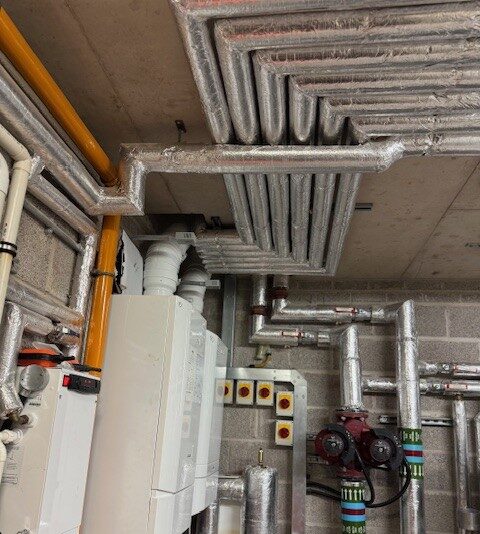
3. Faulty Flues And Exhaust Systems
Flues are responsible for safely removing combustion gases from a building.
During inspections, we frequently identify:
- Damaged flue components
- Corrosion
- Poor installation
- Inadequate support
- Obstructions
A faulty flue can prevent harmful gases from being safely discharged and should be addressed immediately.
This is particularly important for commercial boiler systems operating continuously throughout the year.
4. Unsafe Or Inefficient Combustion
Commercial heating equipment should burn fuel efficiently and safely.
Using calibrated combustion analysis equipment, engineers can identify:
- Incorrect air-to-fuel ratios
- Poor combustion performance
- Excessive emissions
- Reduced operating efficiency
In our experience, combustion issues often develop gradually and can go unnoticed until energy costs increase or performance begins to suffer.
This is one reason annual commercial boiler servicing remains so important.
5. Defective Safety Devices And Controls
Commercial heating systems contain numerous safety components designed to prevent dangerous situations.
Common failures include:
- Emergency shut-off valves not operating correctly
- Faulty flame supervision devices
- Damaged pressure relief systems
- Malfunctioning interlocks
- Control system faults
These components are critical to the safe operation of a commercial heating system and should be tested regularly.
6. Poor Appliance Maintenance
A surprising number of issues identified during inspections are linked to insufficient maintenance.
Common examples include:
- Dirty burners
- Blocked heat exchangers
- Worn seals and gaskets
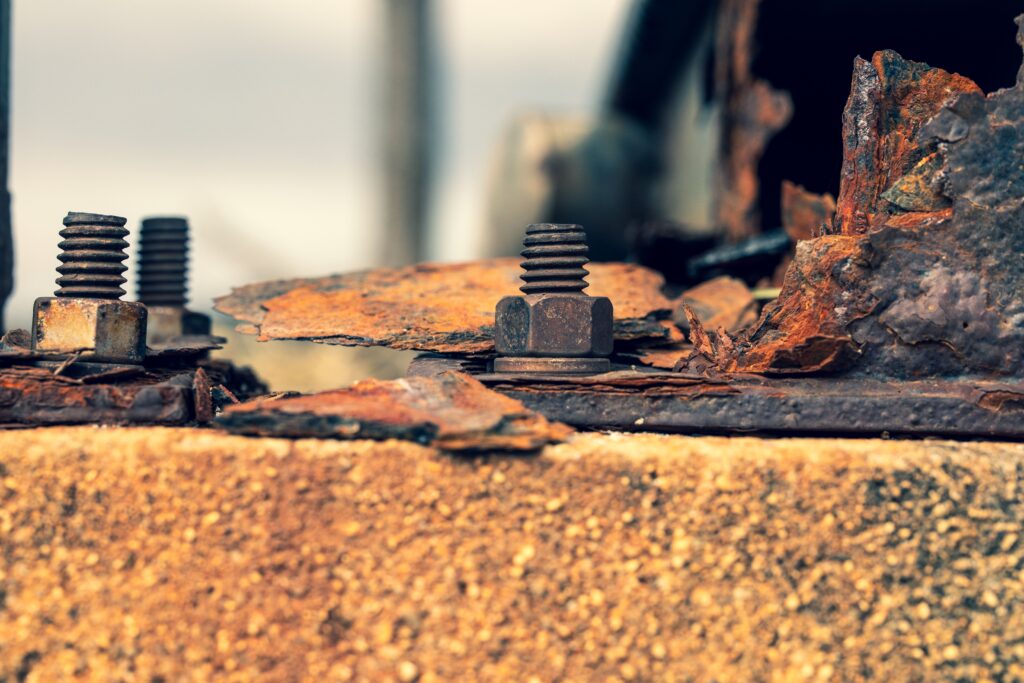
- Corrosion
- Excessive system debris
Routine servicing allows engineers to identify and rectify these issues before they become safety concerns.
Many businesses choose planned maintenance contracts to help avoid unexpected failures and maintain compliance throughout the year.
7. Incomplete Documentation And Compliance Records
Commercial gas safety is not only about the physical condition of the system.
Businesses are often required to maintain records relating to:
- Servicing history
- Gas safety inspections
- Maintenance works
- Compliance certificates
- Appliance records
Missing documentation can create problems during audits, insurance reviews and compliance inspections.
At Westex Heating, we provide prompt certification and documentation following completed works to help clients maintain accurate records.
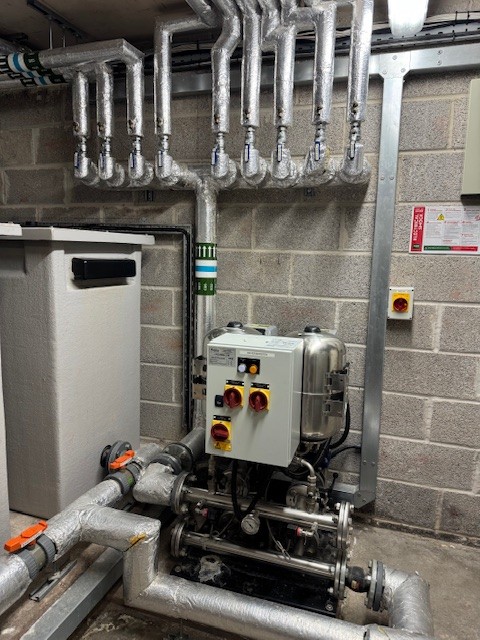
What We Commonly See During Commercial Inspections
Having worked with schools, universities, offices, warehouses, docks and industrial facilities across Bath and the South West for more than 25 years, we often find that the most significant issues are not major system failures.
Instead, they are small maintenance issues that have been overlooked for months or years.
Examples include:
- Ventilation grilles blocked by stored items
- Boilers operating beyond recommended service intervals
- Safety controls that have not been tested
- Minor gas leaks that have gradually developed
- Flue deterioration that has gone unnoticed
Identifying these issues early helps businesses avoid larger repair costs and reduce operational disruption.
How To Reduce The Risk Of Gas Safety Failures
The best way to prevent gas safety issues is through a proactive maintenance strategy.
We recommend:
- Annual commercial gas safety inspections
- Regular boiler servicing
- Planned preventative maintenance schedules
- Prompt repair of identified faults
- Maintaining accurate compliance records
- Working with Gas Safe registered engineers
Businesses that follow a structured maintenance programme generally experience fewer breakdowns, lower repair costs and improved system performance.
Frequently Asked Questions
Q. How often should commercial gas systems be inspected?
A. Most commercial gas appliances should be inspected at least annually, although some environments may require more frequent checks depending on usage and risk levels.
Q. What is the most common gas safety issue found during inspections?
A. Poor maintenance, ventilation issues and defective safety controls are among the most common problems identified during commercial inspections.
Q. Can a commercial gas safety inspection reduce energy costs?
A. Yes. Identifying combustion inefficiencies, maintenance issues and system faults can often improve energy performance and reduce operating costs.
Q. What happens if a commercial property fails a gas safety inspection?
A. The engineer will explain any safety concerns, provide recommendations and identify any remedial work required to restore compliance.
Q. Are commercial gas safety inspections a legal requirement?
A. Businesses have a legal responsibility to ensure gas appliances and associated systems are maintained in a safe condition and inspected by competent Gas Safe registered engineers.
Our Service Area
We cover Bath and nearby regions. View our service area map on Google Maps or contact us for more details. Find us on Yell for reviews and additional contact options.
Visit Us
Our office is located at 10 Queen Square, Bath BA1 1HE. Feel free to drop by or view our location on Google Maps for directions.
Get in Touch
Contact Westex Heating today for reliable heating solutions.
Call us at 01225 331 091 or email us at services@westexheating.com.
We serve Bath, Bristol, Swindon, Wiltshire & surrounding areas with prompt, professional service.